Politics & Government
McDonnell's Transportation Bill Moves Forward
The amended package would eliminate Virginia's gas tax and hike sales taxes to raise $3 billion over five years.

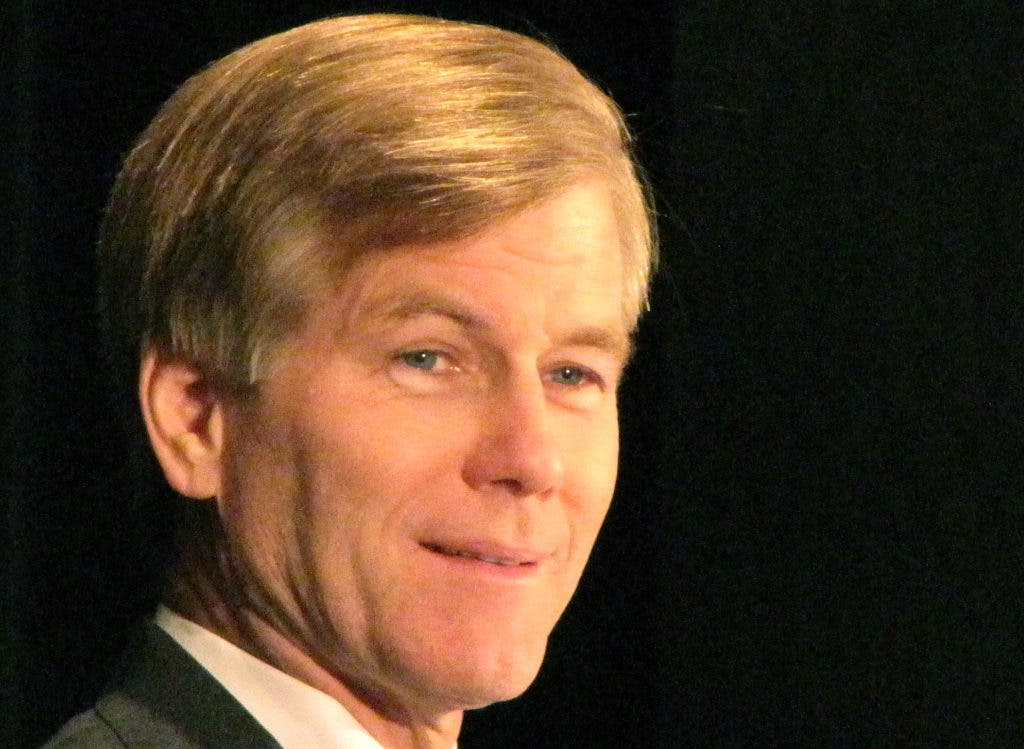
Virginia Gov. Bob McDonnell’s controversial transportation bill passed the House of Delegates Finance Committee Wednesday, moving past its first hurdle in the state's 2013 General Assembly session.
In a 14-8 vote along party lines, the committee passed McDonnell’s package, which calls for eliminating the state’s 17.5 cents per gallon gas tax and raising the state sales tax from 5 percent to 5.8 percent.
The plan would also keep the 17.5 tax on diesel fuel and increase vehicle registration fees. It would also raise the amount of the state’s sales tax that goes to transportation from 5 to 75 cents over a five-year period.
Find out what's happening in Chantillywith free, real-time updates from Patch.
McDonnell said the bill would raise approximately $3 billion in that time, including $1.8 billion for new construction.
The committee made some amendments to the bill, including an exemption for owners of natural gas vehicles from paying the $100 annual fee for alternative fuel vehicles and refunds for drivers who use diesel-powered cars for personal use.
Find out what's happening in Chantillywith free, real-time updates from Patch.
“This first vote clearly demonstrates a growing, and bipartisan, consensus that transportation is a core function of government and our investments in building and maintaining our highways, transit systems and railroads is of utmost importance to the citizens of Virginia,” he said in a statement Wednesday. “Today marks the first positive step forward in our effort to enact a long overdue, long-term transportation funding solution.”
Four Democrats voted for the bill Wednesday.
Del. Mark Keam, who represents Vienna said: "Since transportation funding is so critical, I voted to have this bill considered on the floor," he said in a series of tweets late Wednesday. "I could've voted against McDonnell's transport bill. But I believe it's my duty as a state rep to try to find a solution."
"I'm sure many will disagree with my Committee vote but I think it's better to move the process along then to kill this bill in Committee," he continued.
Responding to a voter, he wrote "clearly, [the] easy vote would have been 'no.' But I don't think I was elected to take the easy way out."
A recent poll from Christopher Newport University showed 63 percent of Virginia voters support McDonnell's plan.
But support from some of McDonnell’s fellow legislators has been lukewarm.
In a statement after the plan was unveiled, State Sen. Chap Petersen (D-Fairfax City) again spoke out against the plan for doing away with the gas tax.
“Eliminating the gas tax paid by highway users and raising taxes on all other Virginians to pave our roads makes no sense,” he said. “Indeed, eliminating our traditional road funding because cars are more efficient makes about as much sense as canceling your child’s college fund because tuition keeps rising.”
Petersen has an alternative plan, SB 855, that would raise the gas tax 10 cents to 27.5 cents per gallon. He estimates the move could raise $500 million a year for road projects.
The bill is currently in the Senate Finance Committee.
McDonnell took his plan on the road last week, stopping in Herndon to ask support from Northern Virginia business owners.
He’s found a friend in the Fairfax County Chamber of Commerce, which has publicly backed the package. President Jim Corcoran called it an “innovative, sustainable” funding source.
“The Fairfax Chamber supports this fair and reasonable funding solution as a major step forward in getting Virginia—especially Northern Virginia—moving again,” Corcoran said in a statement earlier this month.
Other supporters include Amtrak, the Metropolitan Washington Airports Authority, the Prince William Chamber of Commerce, the Virginia Association of Realtors, the Virginia Chamber of Commerce and Wawa.
Other legislators have said compromises will have to be made if the transportation problem is going to be solved.
In a Tuesday press conference, .
“Stop the legislative gridlock that keeps commuters sitting in traffic gridlock,” he said.
McDonnell’s transportation plan is expected to appear before a state senate committee before the end of the week.
How They Voted:
Yeas: Chairman Bob Purkey (R-Virginia Beach); Bobby Orrock (R-Thornburg); Tim Hugo (R-Centreville); Rich Anderson (R-Woodbridge); Scott Garrett (D-Lynchburg); Ron Villanueva (R-Virginia Beach); Brenda Pogge (R-Williamsburg); Dickie Bell (R-Staunton); Israel O’Quinn (R-Bristol); Chris Head (R-Roanoke); Joseph Johnson (D-Abingdon); Lynwood Lewis (D-Accomac); Mark Keam (D-Vienna); Matthew James (D-Portsmouth).
Nays: Kathy Byron (R-Lynchburg); Betsy Carr (D-Richmond); Ben Cline (R-Amherst); Mark Cole (R-Fredericksburg); Eileen Filler-Corn (D-Fairfax Station); Bob Marshall (R-Manassas); Lee Ware (R-Powhaten); Vivian Watts (D-Annandale).
See also:
Speak Out: Will McDonnell's Tax Plan Help Virginia?
Stay up to date on all transportation news with Vienna Patch's daily email newsletter.
Get more local news delivered straight to your inbox. Sign up for free Patch newsletters and alerts.


